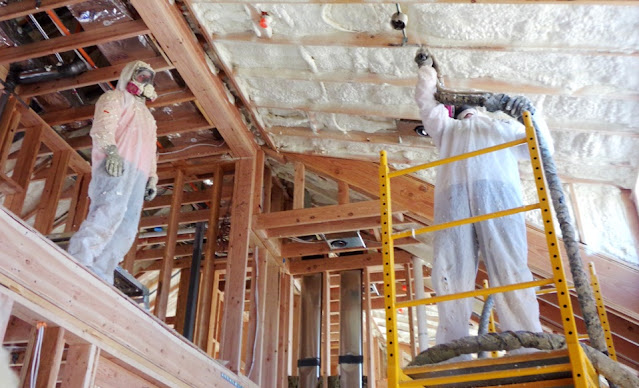
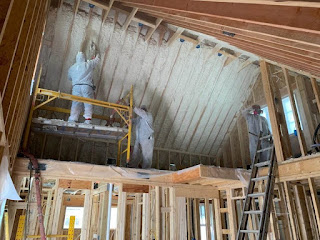
 Spray foam insulation has emerged as a popular choice for homeowners looking to improve energy efficiency and comfort in their homes. This insulation method not only seals air leaks but also provides superior thermal insulation, reducing energy consumption and utility bills. If you're considering spray foam insulation for your home, here are some essential tips to ensure a successful installation.
1. Consult with a professional: While spray foam insulation kits are available for DIY projects, it's always advisable to consult with a professional insulation contractor. They have the expertise and knowledge to assess your home's specific insulation needs, recommend the right type of spray foam, and ensure proper installation. Professional contractors also have the necessary equipment and safety measures in place.
2. Understand the types of spray foam insulation: There are two main types of spray foam insulation - open-cell and closed-cell foam. Open-cell foam is less dense and provides excellent soundproofing properties. It is typically used in interior walls, ceilings, and areas where sound control is important. Closed-cell foam, on the other hand, is denser and offers a higher R-value, making it ideal for exterior walls, roofs, and areas prone to moisture intrusion.
3. Properly prepare the area: Prior to spray foam insulation installation, it's crucial to prepare the area properly. Remove any debris, dust, or loose insulation from the surface to ensure optimum adhesion of the spray foam. Cover or protect any sensitive items or electrical fixtures to prevent damage from overspray.
4. Address air leaks and drafts: Spray foam insulation is an excellent solution for sealing air leaks and drafts. Before applying the foam, identify any areas where air may be entering or escaping your home, such as gaps around windows, doors, electrical outlets, and plumbing penetrations. Properly sealing these areas will improve energy efficiency and prevent drafts.
5. Plan exposure controls before work starts: Ventilation is a chemical-exposure control, not merely a way to remove odors. Ask the contractor how the work area will be isolated, exhausted outdoors and cleaned, and how occupants and other trades will be kept away during application and the required post-application period. Do not treat an open window or an absent odor as proof of safe air. See EPA’s archived spray-foam ventilation guidance.
6. Distinguish curing from permission to return: Obtain the manufacturer’s product- and job-specific re-entry and reoccupancy instructions in writing before installation. These depend on formulation, amount applied, conditions and ventilation; a surface that feels dry does not by itself establish safe occupancy. Return only after the specified procedures, ventilation and cleanup are complete. The American Chemistry Council’s homeowner guidance explains why reoccupancy timing varies. Follow separate product instructions for additional finishes.
7. Regular maintenance and inspection: While spray foam insulation is durable and long-lasting, regular maintenance and inspection are essential. Check for any signs of damage or wear, such as cracks or gaps in the foam. Address any issues promptly to ensure uninterrupted insulation performance.
By considering these tips, you can ensure a successful spray foam insulation installation in your home. Improved energy efficiency, increased comfort, and reduced utility bills are just a few of the benefits you can enjoy with this innovative insulation method. So, go ahead and make your home more energy-efficient with spray foam insulation!